


Reinventing One of the World’s Most Important Medicines
A discovery at the Royal Adelaide Hospital could change the future of chronic lung disease.
Every year, millions of people around the world are prescribed azithromycin.
It is one of medicine’s most widely used antibiotics, but doctors have long recognised that it does something extraordinary. In people living with chronic lung diseases such as COPD (Chronic Obstructive Pulmonary Disease) and cystic fibrosis, azithromycin can reduce damaging inflammation and help prevent serious flare-ups. Yet despite decades of use, nobody has fully understood how these remarkable anti-inflammatory effects occur.
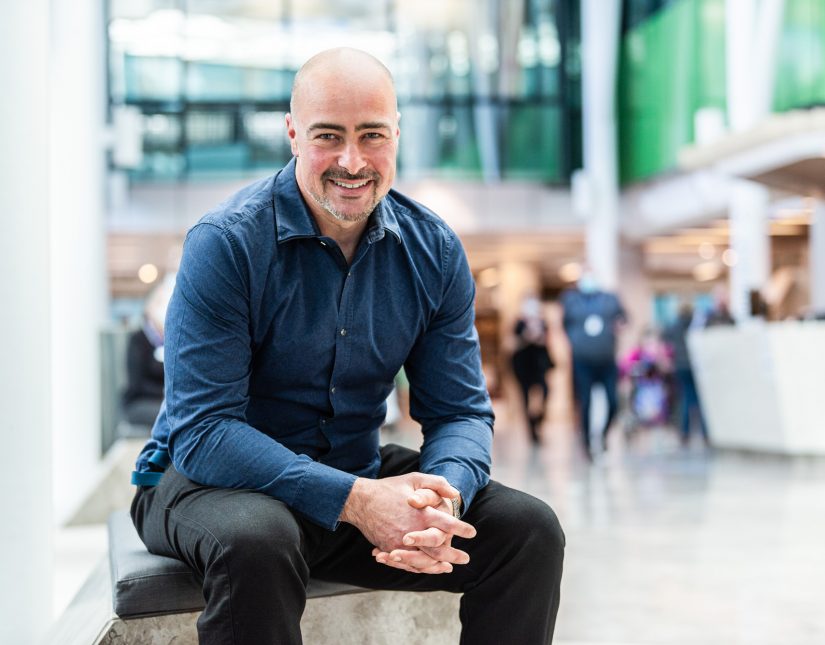
At the Royal Adelaide Hospital Lung Research Laboratory, Dr Eugene Roscioli and his team are working to answer that question.
Along the way, they have made an unexpected discovery.
Their research has shown that while azithromycin provides important clinical benefits, it also interferes with one of the cell’s natural defence mechanisms. This process, known as autophagy, helps cells remove unwanted material and defend themselves against invading bacteria. Understanding this previously unrecognised effect has opened an entirely new direction for research.
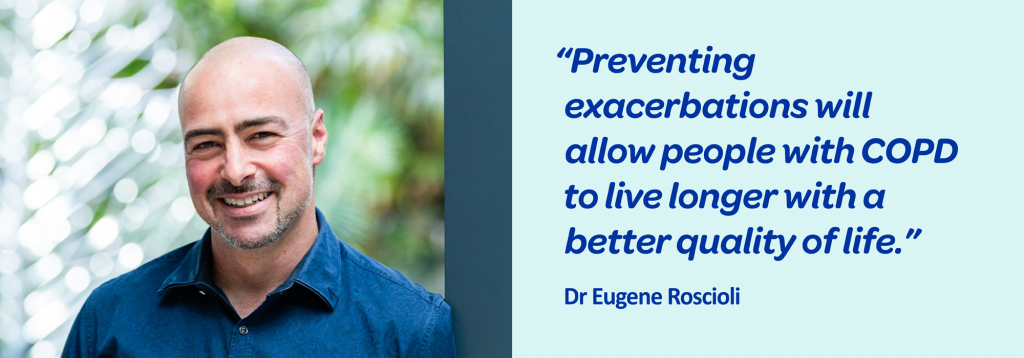
Rather than simply studying an existing drug, the team is now designing an entirely new generation of azithromycin-based medicines.
These next-generation compounds are being developed to preserve the beneficial anti-inflammatory properties that have made azithromycin so valuable for patients, while reducing unwanted effects within our cells. If successful, this work has the potential to improve long-term treatment for people living with chronic respiratory diseases and may influence the future design of medicines used well beyond respiratory medicine.
This research has already attracted national attention. Earlier this year, the project narrowly missed funding through the highly competitive NHMRC Ideas Grant scheme by just 0.13 points, providing strong independent recognition of both the quality of the science and its potential impact.
Despite this momentum, discoveries like these do not happen without continued support.
Every experiment brings researchers one step closer to understanding how chronic lung disease develops and, ultimately, how it can be treated more effectively. Community support enables our team to continue developing these discoveries, generate the evidence needed for future clinical translation, and help ensure that promising ideas are not lost before they can change lives.
For people living with COPD, cystic fibrosis and other chronic lung diseases, better treatments cannot come soon enough.
With your support, the next generation of respiratory medicines could begin right here at the Royal Adelaide Hospital.
Together, we can transform an unexpected discovery into better treatments for future generations. Please donate today.